A visual field map of perceptual confidence
Does how well you think you see match how well you actually see?
We don't see the world equally well everywhere: vision changes across different locations in our visual field. But do our feelings of certainty reflect these hidden differences?
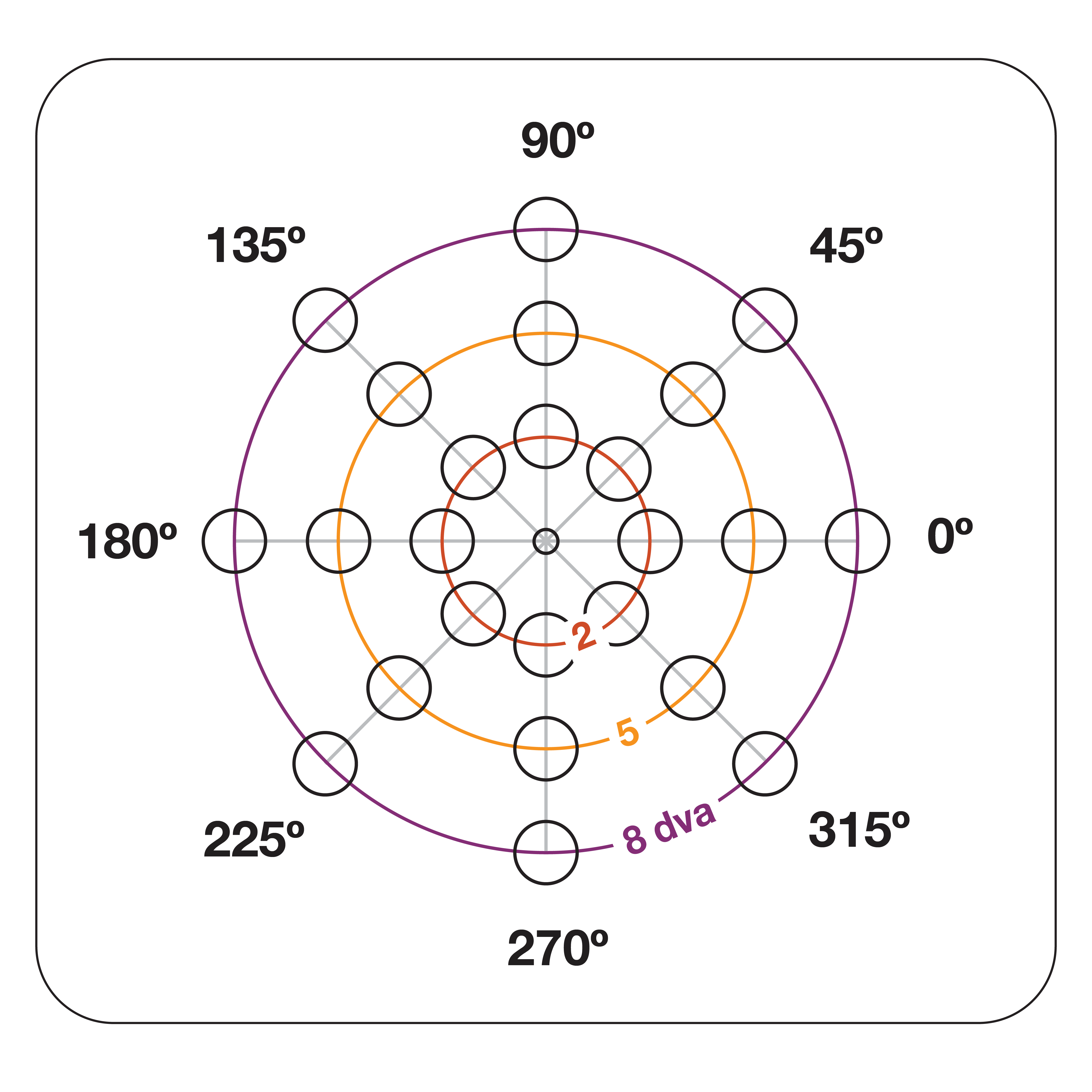
We measured accuracy and confidence across 24 visual field locations while participants completed 3840(!) psychophysical trials each. Using computational modeling, we matched objective performance across locations to isolate a subjective "map" of confidence.
Finding:
Yes! Our confidence closely tracks the strengths and weaknesses of our visual system.
Why this is cool:
This is the first comprehensive spatial map of how subjective visual experience changes across the human visual field.
We measured accuracy and confidence across 24 visual field locations while participants completed 3840(!) psychophysical trials each. Using computational modeling, we matched objective performance across locations to isolate a subjective "map" of confidence.
Finding:
Yes! Our confidence closely tracks the strengths and weaknesses of our visual system.
Why this is cool:
This is the first comprehensive spatial map of how subjective visual experience changes across the human visual field.
preprint coming soon
[ conference abstract ]
The building blocks of imagination
How can we measure what makes a mental image feel vivid?
Imagine a rainbow. For some people, the image appears sharp, colorful, and almost as vivid as seeing; for others, there may be little or nothing to visually experience. But how do we measure something that exists only in someone's mind?
We designed a task to quantify mental imagery by decomposing vividness into visual features such as clarity, saturation, and opacity. We tested our new paradigm with 199 participants.
Finding:
Vividness is not a single dimension. Instead, different visual features contribute to how vivid an imagined experience feels, and people can reliably report these features over time.
Why this is cool:
We can quantify subjective experiences, even when there is no objectively correct answer.
We designed a task to quantify mental imagery by decomposing vividness into visual features such as clarity, saturation, and opacity. We tested our new paradigm with 199 participants.
Finding:
Vividness is not a single dimension. Instead, different visual features contribute to how vivid an imagined experience feels, and people can reliably report these features over time.
Why this is cool:
We can quantify subjective experiences, even when there is no objectively correct answer.
preprint coming soon
Confidence reflects more than just accuracy
What shapes our (un)certainty in visual decisions?
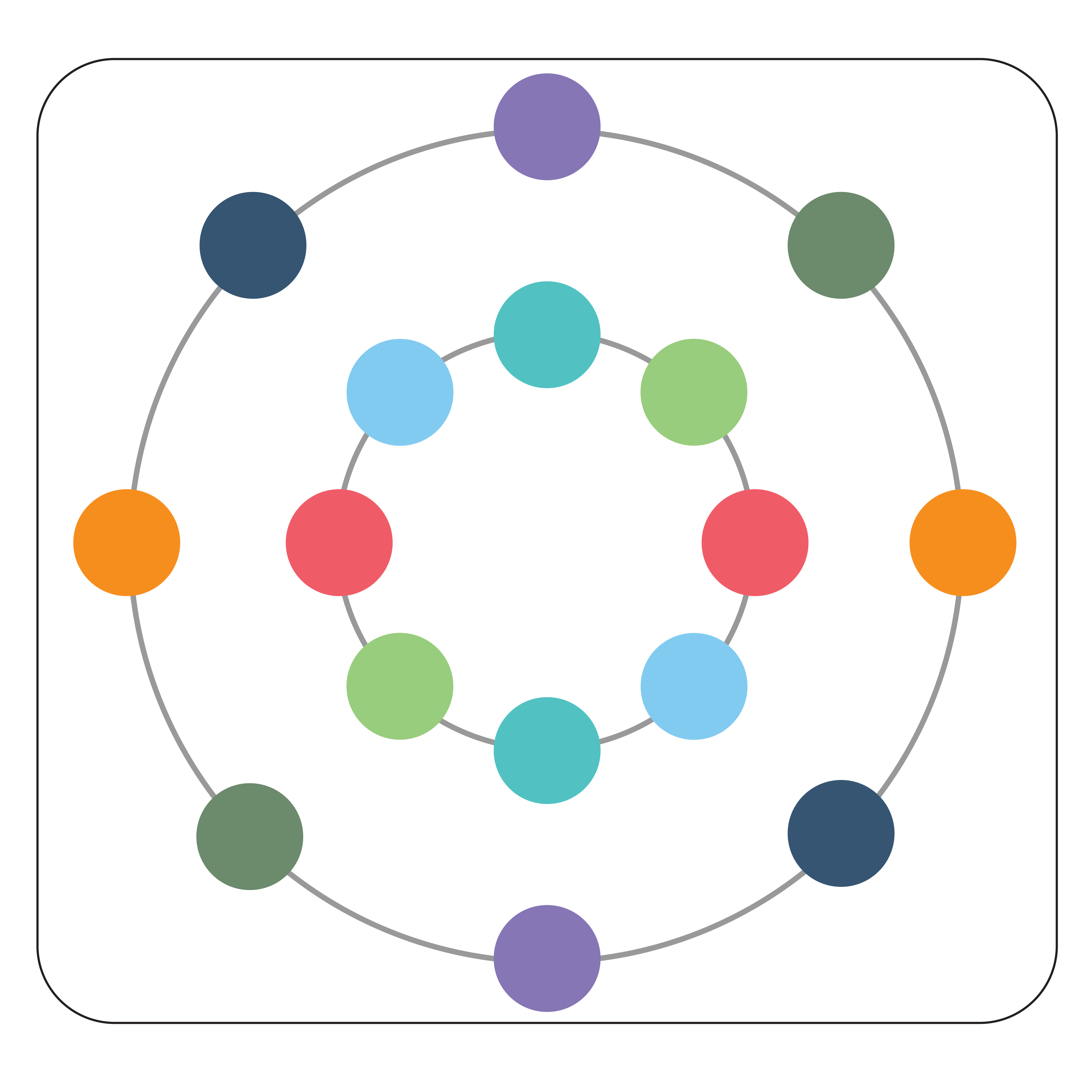
When making decisions about the visual world, our confidence often tracks whether we are right — but accuracy is only part of the story. We measured brightness perception and confidence across different levels of visual noise, stimulus strength, and visual field location while participants completed 7168 (!) psychophysical trials each.
Using computational modeling, we compared confidence across conditions with matched performance.
Finding:
Confidence changed with visual noise and location, even when accuracy stayed the same.
Why this is cool:
Our sense of certainty feels like a measure of how well we are seeing, but it also reflects how the brain interprets different sources of visual uncertainty.
Using computational modeling, we compared confidence across conditions with matched performance.
Finding:
Confidence changed with visual noise and location, even when accuracy stayed the same.
Why this is cool:
Our sense of certainty feels like a measure of how well we are seeing, but it also reflects how the brain interprets different sources of visual uncertainty.
Attention makes visual learning more flexible
Can a momentary shift in attention change what we learn from experience?
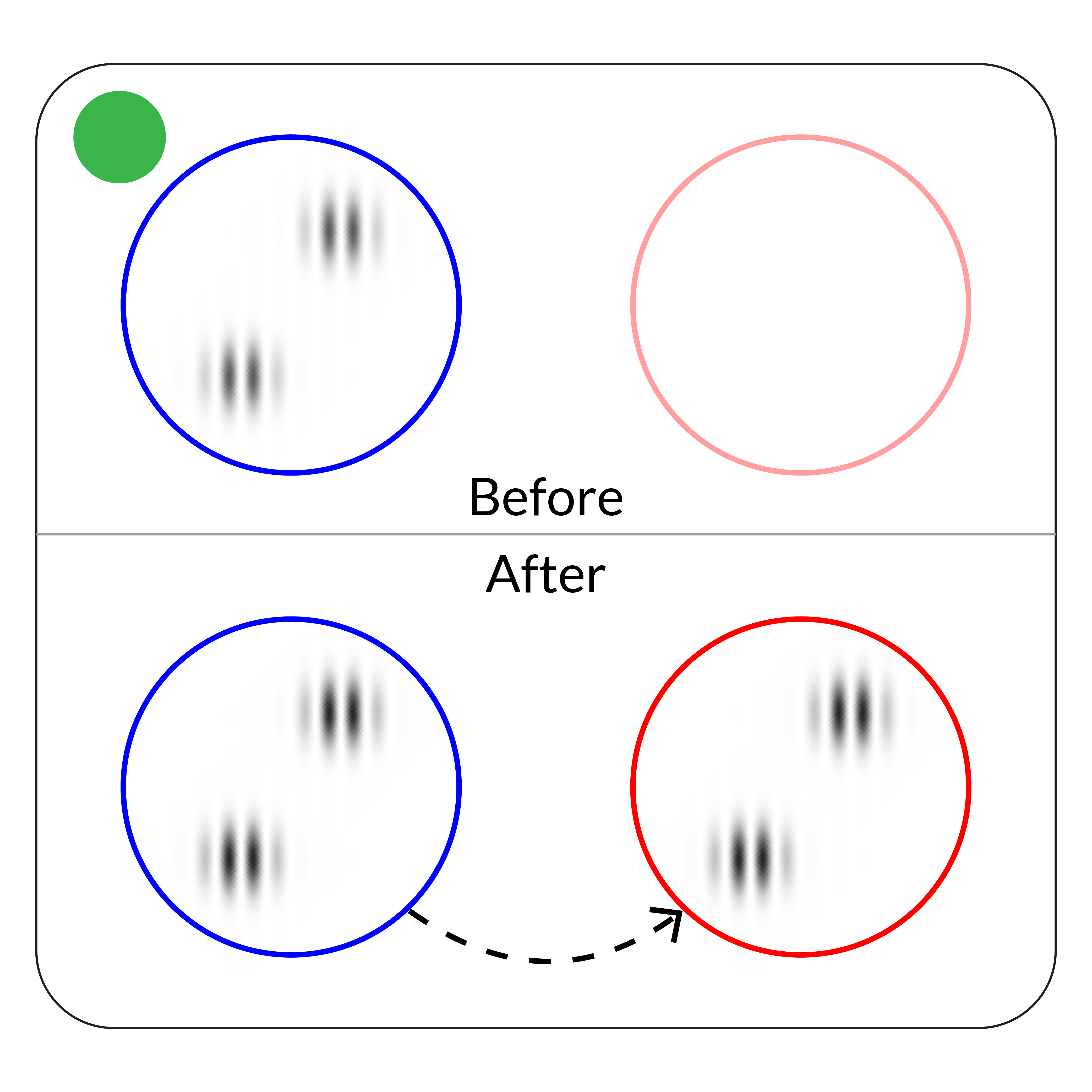
Practice can improve our ability to see, but these improvements often remain surprisingly specific to what was practiced (the same location, task, or visual feature). We tested whether a brief, involuntary shift of attention during training can help visual learning generalize. Participants completed visual acuity training over multiple days with or without attention cues.
Finding:
Attention helped overcome the usual limits of perceptual learning, allowing improvements to transfer to new locations and visual features.
Why this is cool:
How we pay attention shapes not just what we see in the moment, but what our visual system learns for the future.
Finding:
Attention helped overcome the usual limits of perceptual learning, allowing improvements to transfer to new locations and visual features.
Why this is cool:
How we pay attention shapes not just what we see in the moment, but what our visual system learns for the future.